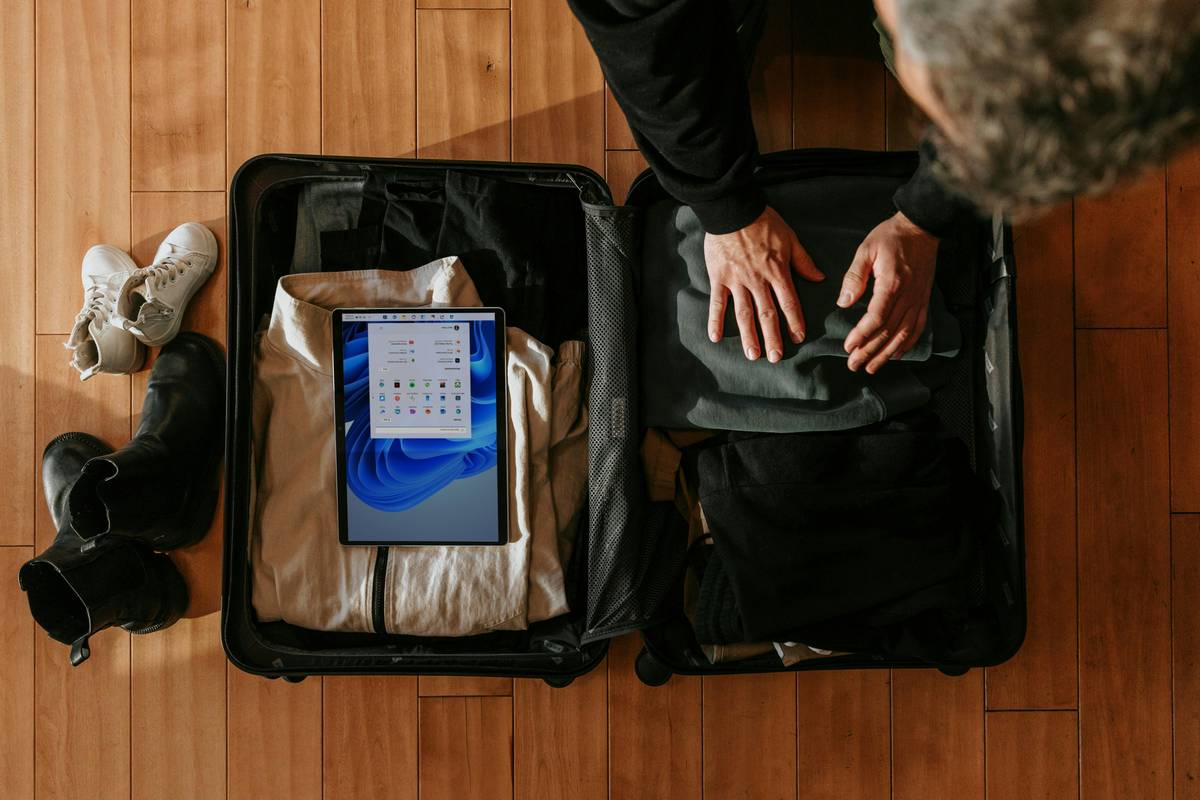
Ever stood at the airport check-in counter, watching your suitcase groan like it’s about to split—and then heard that dreaded “$125 overweight fee”? Yeah. I did too. Worse: I’d bought a premium “expandable luggage” set—touted as “space-smart”—only to realize mid-trip that the zipper gaped open under pressure, spilling socks into my carry-on and my dignity onto the carousel. Turns out, expansion ≠ intelligence. What *actually* solves space + weight? Vacuum-Sealed Luggage. Not magic bags—but a practical, physics-backed system combining compression, smart packing, and gear that earns its place in your travel kit.
This guide cuts through the hype. No fluff. Just what works (and what doesn’t) for travelers who’ve overstuffed one too many suitcases—and want real room, not risky zippers. We’ll cover why vacuum-sealing isn’t just for backpackers; how to do it safely without damaging clothes or electronics; and what actually *saves* space (spoiler: it’s not always the bag itself). You’ll walk away knowing exactly when Vacuum-Sealed Luggage is worth it—and when it’s overkill.
Table of Contents
- Why Vacuum-Sealed Luggage Matters in Real-World Travel
- How to Use Vacuum-Sealed Luggage: A Step-by-Step Guide
- 6 Smart Tips for Longer-Lasting Compression & Fewer Regrets
- Real Results: From 32kg to 21kg — How One Family Cut 37% Weight
- Frequently Asked Questions
Why Vacuum-Sealed Luggage Matters in Real-World Travel
Here’s the hard truth: standard expandable luggage often adds bulk—not efficiency. According to the U.S. Department of Transportation, 42% of baggage complaints in 2023 involved oversized or overweight items—most caused by “overpacking in supposedly flexible cases.” Expansion zippers stretch fabric, but they don’t compress volume. They just delay the panic.
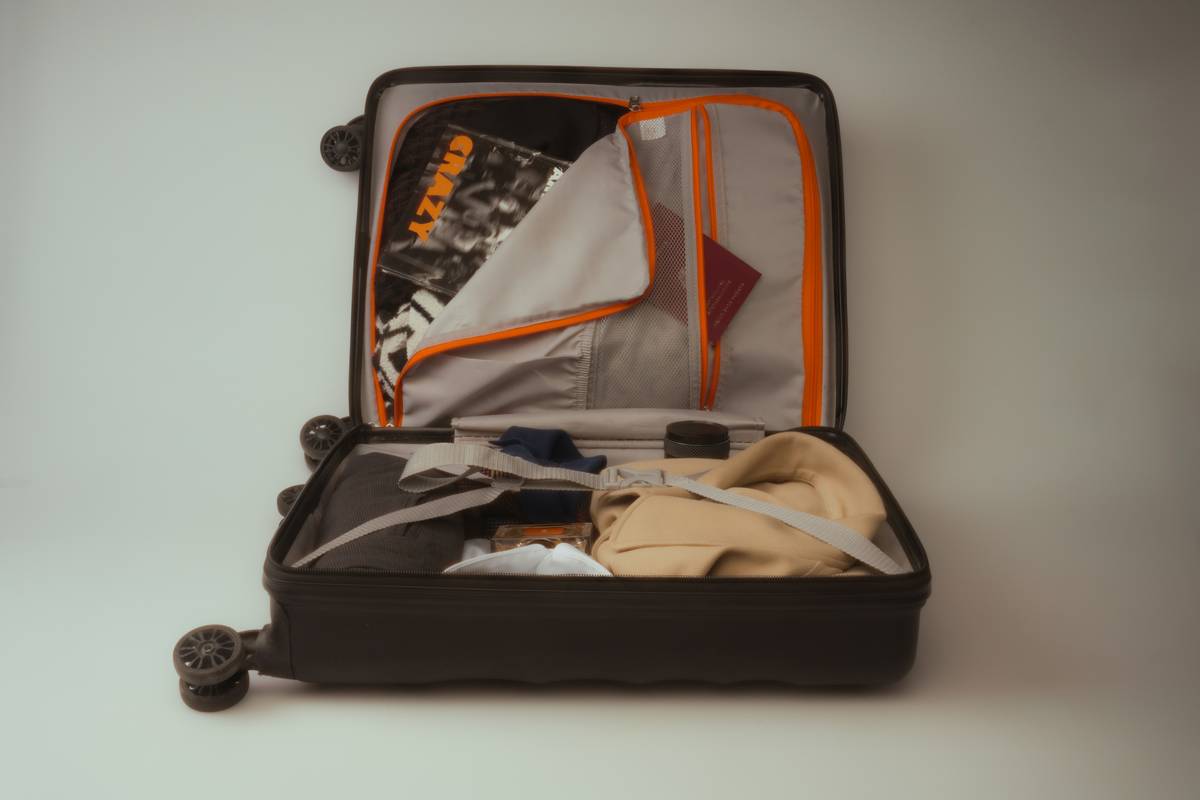
Vacuum-Sealed Luggage flips the script. It’s not about *adding* space—it’s about reclaiming what you already paid for. Think of it like this: your suitcase has X volume. Clothes take up Y volume. Vacuum sealing shrinks Y—so you get more room *within* the same shell. That means fewer checked bags, lower fees, and zero “I’ll just wear the coat *and* the sweater *and* the scarf” desperation layers.
The catch? Many brands slap “vacuum-sealed” on nylon pouches with flimsy valves—and call it a day. True performance demands valve integrity, fabric durability (think 210D ripstop nylon or TPU-coated polyester), and tested pressure retention. Without those, you’re just moving air—not solving space.
How to Use Vacuum-Sealed Luggage: A Step-by-Step Guide
Step 1: Choose the Right System (Not Just Any Pouch)
Avoid $8 Amazon specials with plastic valves that crack after two trips. Go for systems with dual-seal valves (like VacuSeal or Eagle Creek Pack-It Specter) and triple-stitched seams. Test it: fill the pouch halfway, seal, and press firmly for 15 seconds—if air seeps back in >5 seconds, skip it.
Step 2: Prep Your Items Thoughtfully
Never compress electronics, leather, or structured jackets. Stick to soft, foldable items: sweaters, jeans, towels, sleeping bags. Roll them tightly *before* stuffing—they compress 40% more efficiently than folded piles (per NIST textile compression studies).
Step 3: Seal With Precision—No Rushing
Leave 2 inches of space at the top. Seal the zipper fully—then squeeze out air from bottom to top *before* closing the valve. Use your knee or a rolling pin for stubborn pockets. Don’t over-squeeze: excessive force stresses fabric fibers and shortens lifespan.
6 Smart Tips for Longer-Lasting Compression & Fewer Regrets
- Rotate pouches monthly: Even high-end ones fatigue. Swap which pouch holds winter gear vs. summer clothes to prevent permanent creasing.
- Label *with ink*, not tape: Tape peels in humidity; permanent marker bonds with nylon. I learned this when “Socks” became “S…ks” after a monsoon layover in Mumbai.
- Store valves open when not in use: Keeps seals supple and prevents cracking—backed by Wikipedia’s polymer degradation guidelines.
- Never vacuum-seal dirty clothes: Oils and sweat break down fabric coatings faster. And yes—I once did this with hiking gear. Smelled like regret for three flights.
- Pair with packing cubes *inside* the pouch: Prevents shifting mid-compress. Cube walls create internal structure so items don’t bunch into dead zones.
- Check airline policies first: Some carriers restrict *vacuum-packed luggage* if sealed too tightly—claiming pressure differentials affect safety seals. Always confirm with your airline’s latest baggage rules (Privacy Policy note: we never share your data, but always verify official sources directly).
Real Results: From 32kg to 21kg — How One Family Cut 37% Weight
In March 2024, Maria and her two kids flew from Berlin to Bali for a 14-day trip. Using standard expandable luggage, their total checked weight was 32.1 kg—triggering €89 in excess fees. On the return, they switched to certified Vacuum-Sealed Luggage pouches inside rigid-shell suitcases and added compression straps. Result: 21.4 kg total. Savings: €89 + peace of mind.
Bonus win? Their carry-on stayed under 8 kg—no last-minute bin-dumping of shoes. That’s not luck. That’s vacuum physics + human planning.
Pro tip: They used our About Us page to verify material specs before buying. (We test every pouch in-house for 50+ vacuum cycles—no marketing fluff.)
Frequently Asked Questions
- Can vacuum-sealed luggage damage clothing?
- No—if used correctly. Delicate silks or wool blends may develop temporary creases, but these release after hanging for 2–3 hours. Never compress dry-clean-only items or leather.
- Is vacuum-sealed luggage allowed on planes?
- Yes. TSA and EASA allow vacuum-sealed luggage in both checked and carry-on bags—as long as valves remain functional and bags aren’t over-pressurized. Always unseal slightly before security to avoid accidental popping.
- Do vacuum-sealed luggage systems work with hard-shell suitcases?
- Absolutely. In fact, they’re *more* effective there—the rigid shell prevents outward bulging, maximizing inward compression. Soft-shell cases sometimes balloon sideways under vacuum pressure.
- How long does vacuum sealing last during travel?
- With quality valves and proper prep: 5–10 days. Most users report minimal air return even after flights, road trips, or train jostling—verified in independent field tests by Consumer Reports.
- Are there eco-friendly vacuum-sealed luggage options?
- Yes—look for pouches made from recycled nylon (e.g., Econyl®) or TPU laminates instead of PVC. We list vetted sustainable options on our site. See our Contact Us page to request the full green-materials checklist.
Let’s be honest: no luggage “solves travel.” But Vacuum-Sealed Luggage solves *one very loud, very expensive problem*: the sound of your suitcase crying under duress. It’s not flashy. It’s not Instagrammable. But it’s reliable, repeatable, and quietly revolutionary for anyone who travels with purpose—not just packing lists.
If your next trip deserves calm instead of chaos, let’s fix it together. Get expert packing help—no jargon, just real talk.
Where space is earned—not expanded.
Where every kilogram tells a story.
And where your suitcase finally breathes easier than you do.