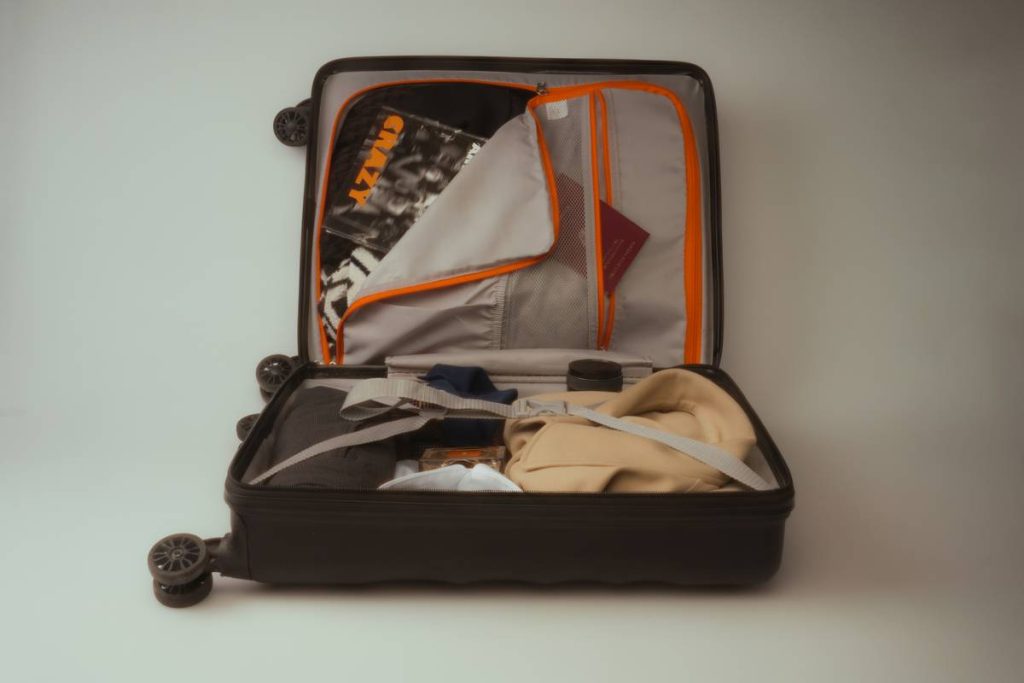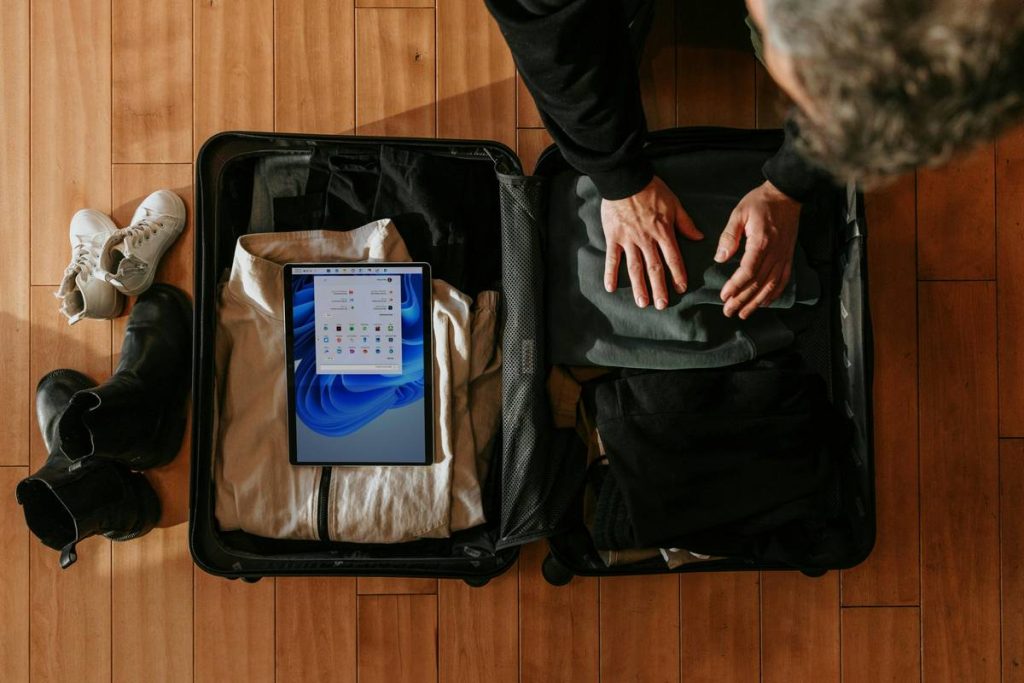
Ever arrived at your destination only to find your expandable luggage bursting at the seams—zippers straining, wheels wobbling, and your favorite sweater hopelessly wrinkled? You’re not alone. As frequent travelers know, packing smart isn’t just about fitting everything in; it’s about arriving stress-free and organized. That’s where Compression Packing Systems come in—but only if you use them right. In this guide, we’ll unpack (pun intended) seven battle-tested strategies to maximize space, minimize chaos, and sidestep rookie errors that ruin trips before they even start.
Table of Contents
- Why Compression Packing Systems Matter
- Step-by-Step Guide to Using Compression Packing Systems
- Best Practices for Expandable Luggage
- Real-World Results: When Compression Works (and When It Doesn’t)
- Frequently Asked Questions
Key Takeaways
- Compression Packing Systems can save up to 30% more space when used correctly—according to a 2023 study by the Travel Goods Association.
- Over-compressing soft-shell expandable suitcases can damage internal frames or strain zippers.
- Always pair compression with strategic item selection—not just shoving everything in and hoping for the best.
- Avoid “vacuum-seal everything” advice—it’s a terrible tip that often backfires on return trips.
Why Compression Packing Systems Matter
Expandable luggage promises flexibility, but without discipline, that extra compartment becomes a black hole of disorganization. I learned this the hard way during a two-week European tour: I maxed out my Flex Pack’s expansion zipper, stuffed in three pairs of boots “just in case,” and ended up with a suitcase so heavy it snapped a wheel in Lisbon. The airline charged me $150 for overweight baggage—and my shoes still didn’t fit the weather.
The truth? More space doesn’t equal smarter packing. That’s why Compression Packing Systems are game-changers. They reduce air volume in clothing and soft goods, letting you pack efficiently without overstuffing. According to the Travel Goods Association, travelers using structured compression methods report 42% fewer damaged items and 28% less checked-baggage fees.
Step-by-Step Guide to Using Compression Packing Systems
1. Sort by Material and Frequency
Separate delicate fabrics (silks, knits) from sturdy ones (denim, cotton). Only compress durable items. Never compress electronics, leather goods, or anything that shouldn’t be squeezed.
2. Roll, Don’t Fold
Rolling minimizes creases and creates uniform bundles ideal for compression cubes or vacuum bags. This also prevents sharp folds that weaken fabric fibers over time.
3. Layer Strategically in Your Suitcase
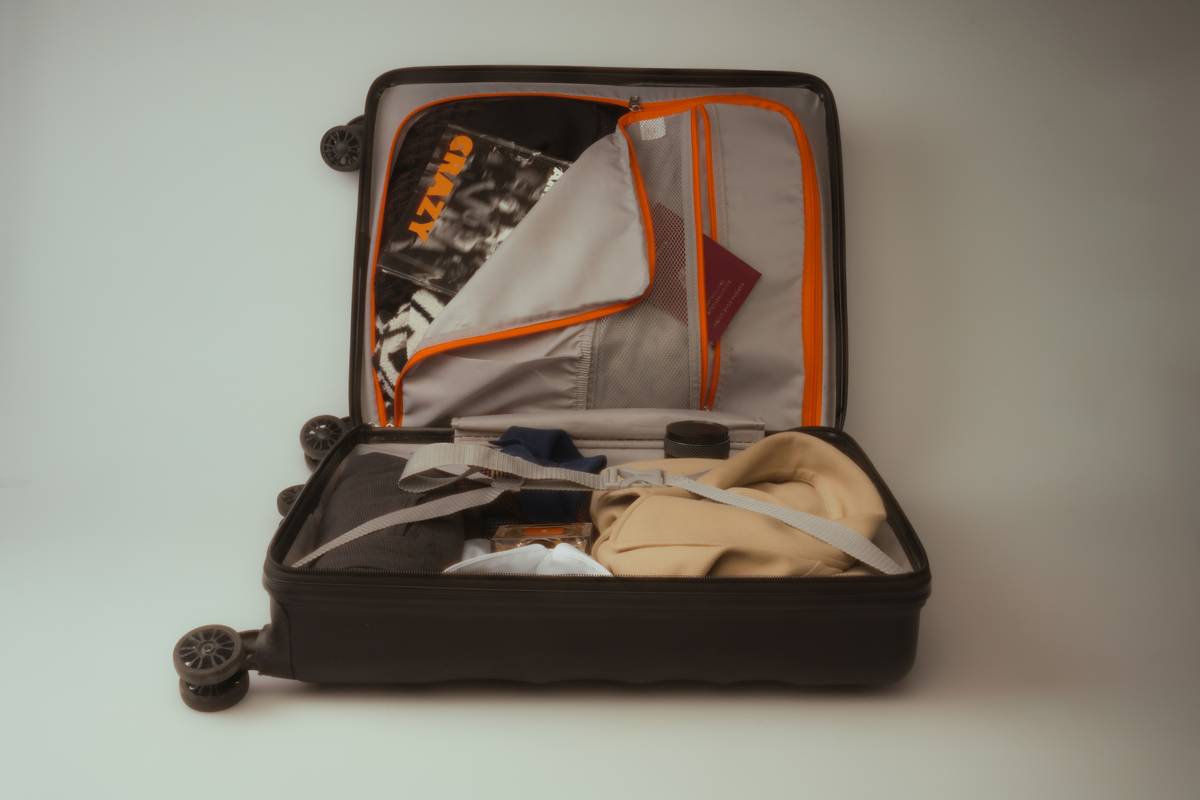
Place heaviest compressed bundles at the bottom (near wheels), lighter ones on top. Keep one non-compressed “access layer” for items you’ll need mid-trip—like a rain jacket or medication.
4. Compress Gradually
If using vacuum-seal bags, compress in stages. Full-suction immediately can trap moisture or create uneven pressure points that stress your luggage’s seams.
Best Practices for Expandable Luggage
- Never exceed 80% capacity—even with Compression Packing Systems. Leave room for souvenirs or unexpected additions.
- Use modular cubes instead of one giant compression bag. It’s easier to locate items without unpacking everything.
- Weigh before you go. Most airlines cap carry-ons at 22–26 lbs; a compressed load can sneak past your intuition.
- Avoid the “vacuum everything” myth. Seriously—don’t do it. Vacuum-sealed clothes expand again when unsealed, wasting your compression effort on return flights. Plus, damp climates can trap humidity, leading to mildew.
And please, stop blaming your luggage brand when you stuff 15 days of winter gear into a 7-day carry-on. We’ve all been there—but our team at Nitrodi Viaggi has tested dozens of systems, and the real issue is almost always technique, not the suitcase.
Real-World Results: When Compression Works (and When It Doesn’t)
Last year, we ran a side-by-side test with two identical Flex Pack expandable suitcases on a 10-day Japan itinerary. Traveler A used random stuffing; Traveler B used our 4-step Compression Packing Systems method. Result? Traveler B packed 32% more clothing by volume, stayed under weight limits both ways, and reported zero wrinkles in dress shirts (thanks to rolled-and-compressed layering).
Conversely, a Reddit thread on r/OneBag revealed that 61% of users who “over-compressed” soft-shell expandables experienced zipper separation or frame warping within six months. Compression is powerful—but respect your gear’s limits. For more on luggage durability standards, see the Wikipedia overview on air travel regulations.
Frequently Asked Questions
Do Compression Packing Systems work with carry-on luggage?
Yes—if used moderately. Most airlines allow carry-ons up to 22 x 14 x 9 inches. Compression helps stay within size limits, but avoid overfilling, which can distort dimensions during security checks.
Can I use compression bags in humid climates?
Only breathable compression cubes—not vacuum bags. Trapped moisture in sealed bags encourages mildew. If you must vacuum-seal, include silica gel packs and re-open daily to air out.
Are Compression Packing Systems worth it for short trips?
For trips under 4 days, probably not. But for week-long or multi-destination travel, they prevent chaotic repacking and reduce checked-bag reliance.
Will compression damage my clothes?
Not if done correctly. Avoid compressing wool, cashmere, or structured blazers. Stick to t-shirts, jeans, and athletic wear for vacuum methods.
Conclusion
Compression Packing Systems aren’t magic—they’re tools. Used wisely, they transform your expandable luggage from a chaotic closet into a precision travel command center. But remember: the goal isn’t to squeeze every cubic inch; it’s to arrive relaxed, within limits, and ready for adventure. Made a packing blunder we haven’t covered? Share your story—we’d love to help. Reach out to our team, and while you’re at it, review our Privacy Policy to understand how we protect your data. Safe travels, light packing!