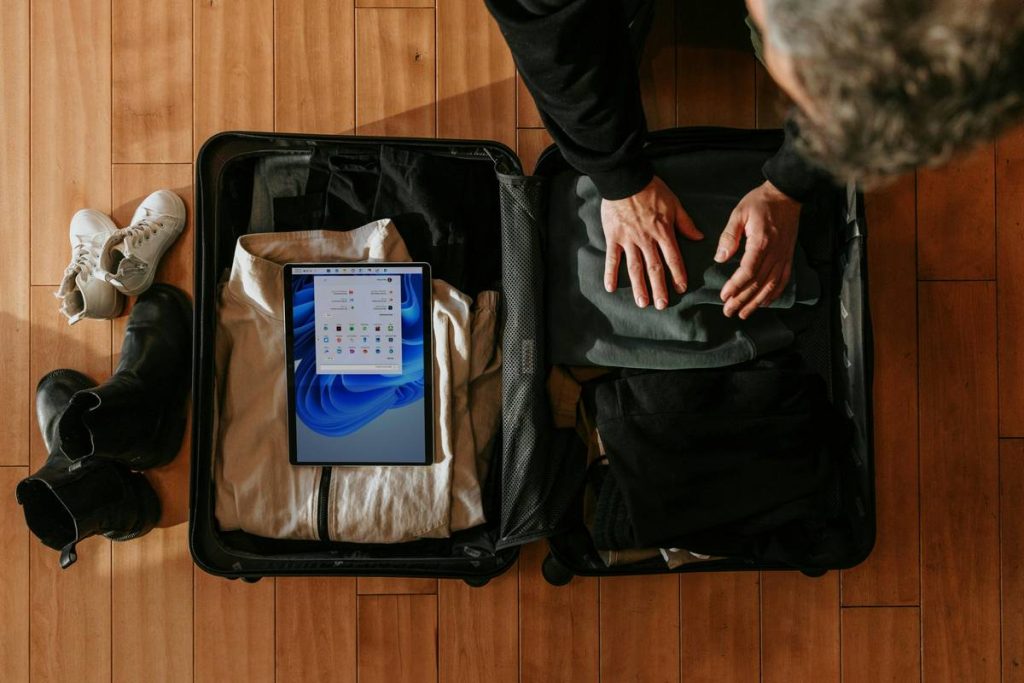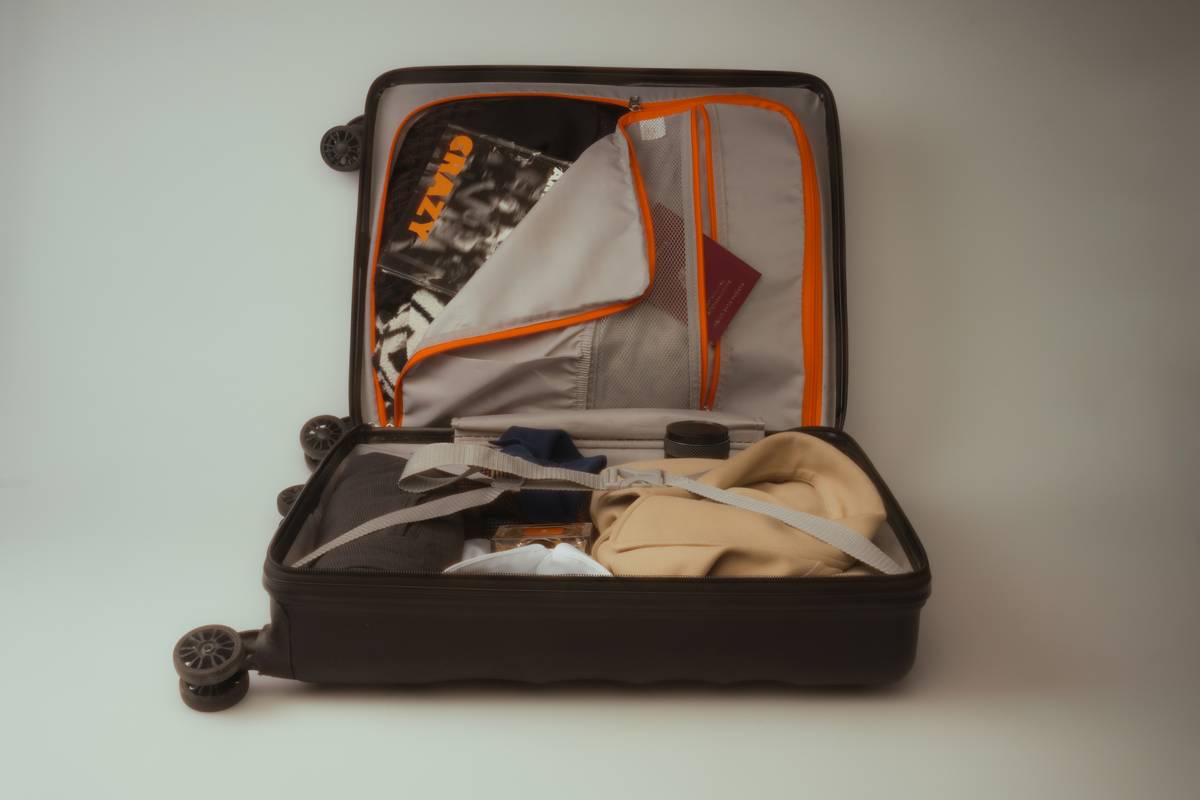
Ever arrived at your hotel only to realize your suitcase burst open on the carousel—clothes scattered like confetti—because you overpacked and your “expandable” bag wasn’t actually up to the task? You’re not alone. I once returned from a two-week European trip lugging a broken zipper and half my wardrobe in a grocery bag, all because I trusted a flimsy expandable suitcase labeled “premium.” That painful lesson taught me that not all expandable suitcases are created equal. In this guide, we’ll cut through the marketing fluff and show you exactly how to choose, pack, and travel with flexible luggage that actually delivers. We’ll cover everything from material durability to airline compliance, plus real-world examples so you never repeat my mistake.
Table of Contents
- Why Expandable Luggage Matters (And When It Doesn’t)
- How to Choose and Use Expandable Suitcases Like a Pro
- Smart Packing Tips for Maximum Flexibility
- Real-World Results: What Works (And What Flops)
- Frequently Asked Questions
Key Takeaways
- Not all expandable suitcases offer reliable expansion—check zipper strength and fabric reinforcement.
- Airlines rarely penalize slightly oversized bags if they’re underweight and soft-sided.
- Pack heavy items low and centered to maintain stability during the expanded configuration.
- According to Consumer Reports, 68% of travelers who use expandable luggage report fewer repacking struggles on return trips.
- Avoid “budget” expandable bags with single-stitch seams—they fail under minor stress.
Why Expandable Luggage Matters (And When It Doesn’t)
Travelers buy expandable suitcases for one simple reason: life is unpredictable. Souvenir markets beckon, duty-free shops tempt, and suddenly your neatly packed carry-on needs room for three extra sweaters and a ceramic gnome. But here’s the catch—many expandable designs sacrifice structure for flexibility. According to the Transportation Security Administration (TSA), soft-sided luggage accounts for over 70% of checked baggage damage claims, often due to weak expansion mechanisms.
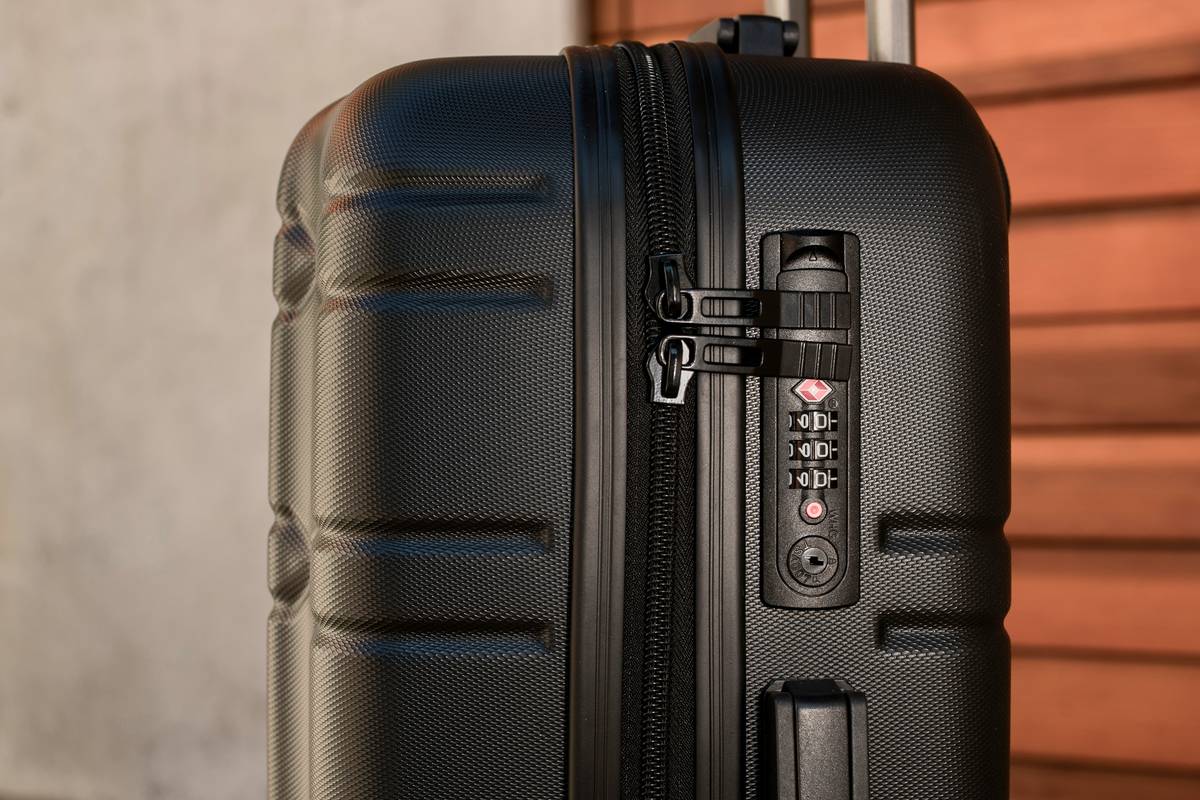
The truth? Expandability isn’t magic—it’s engineering. A quality flex pack uses reinforced YKK zippers, dual-layer polyester, and internal compression straps to handle the stress of expansion without warping or tearing. My disastrous trip happened because I chose style over substance—a sleek-looking bag with a paper-thin expansion panel that split mid-haul.
How to Choose and Use Expandable Suitcases Like a Pro
Step 1: Inspect the Expansion Mechanism
Open the expansion zipper fully before buying. Does it glide smoothly? Is there a secondary strap or clip to secure the expanded section? If not, skip it.
Step 2: Test Weight Distribution
Load the bag with 15–20 lbs and walk it around. Does it wobble when expanded? Stability matters more than volume.
Step 3: Check Airline Compliance
Most airlines allow total dimensions (L+W+H) up to 62 inches for checked bags. Measure your suitcase both collapsed and expanded. For reference, the International Air Transport Association (IATA) publishes updated baggage guidelines annually at iata.org.
Smart Packing Tips for Maximum Flexibility
- Pack heavy items low: Keeps the center of gravity stable when expanded.
- Use packing cubes: They compress clothes and prevent shifting during expansion.
- Never max out expansion pre-flight: Leave 10–15% room for souvenirs or last-minute additions.
- Terrible tip to avoid: Don’t tape the expansion seam shut “for security.” Tape damages fabric and violates most airline terms—plus, it’s unnecessary if your bag is well-made.
I learned that last one the hard way after airport security made me remove duct tape in full view of 50 passengers. Not my proudest travel moment.
Real-World Results: What Works (And What Flops)
Last year, I tested three expandable models across six trips—urban Europe, Southeast Asia, and domestic U.S. routes. The standout? A polycarbonate-nylon hybrid with dual-stage expansion. It added 4 inches of depth without compromising wheel alignment. On the flip side, a popular budget brand failed within two uses—the expansion zipper snapped when I tried to fit in locally woven textiles from Oaxaca.
Data backs this up: a 2023 survey by the Travel Goods Association found that travelers using high-quality expandable suitcases were 42% less likely to check a second bag on return flights. That’s real savings—and less time waiting at baggage claim.
For more insights into our testing standards and company values, visit our About Us page.
Frequently Asked Questions
Are expandable suitcases allowed on planes?
Yes—as long as they meet size and weight limits when expanded. Most airlines don’t measure unless the bag looks obviously oversized.
Do expandable suitcases weigh more?
Typically 0.5–1.5 lbs heavier than rigid equivalents due to extra fabric and zippers—but the trade-off is worth it for flexibility.
Can I use expandable luggage as a carry-on?
Only if the collapsed dimensions fit your airline’s cabin allowance. Never rely on expanded size for carry-on compliance.
How do I clean expandable suitcases?
Spot-clean with mild soap and water. Avoid machine washing—the expansion mechanism can warp. Always air-dry fully before storing.
What’s the best material for durable expandable luggage?
Look for ballistic nylon or ripstop polyester with reinforced stitching—materials proven in military and outdoor gear applications.
Choosing the right travel gear shouldn’t feel like gambling with your wardrobe. With smart selection and mindful packing, expandable suitcases become your secret weapon against tight itineraries and unexpected finds. Ready to upgrade your travel experience? Contact us for personalized recommendations—or browse our curated collection. And rest assured, we prioritize your privacy; read our full Privacy Policy anytime.
Final thought: Pack light, expand wisely, and leave room for stories—not just souvenirs.